
Building an Emergency Fund in Singapore: Your Financial Safety Net
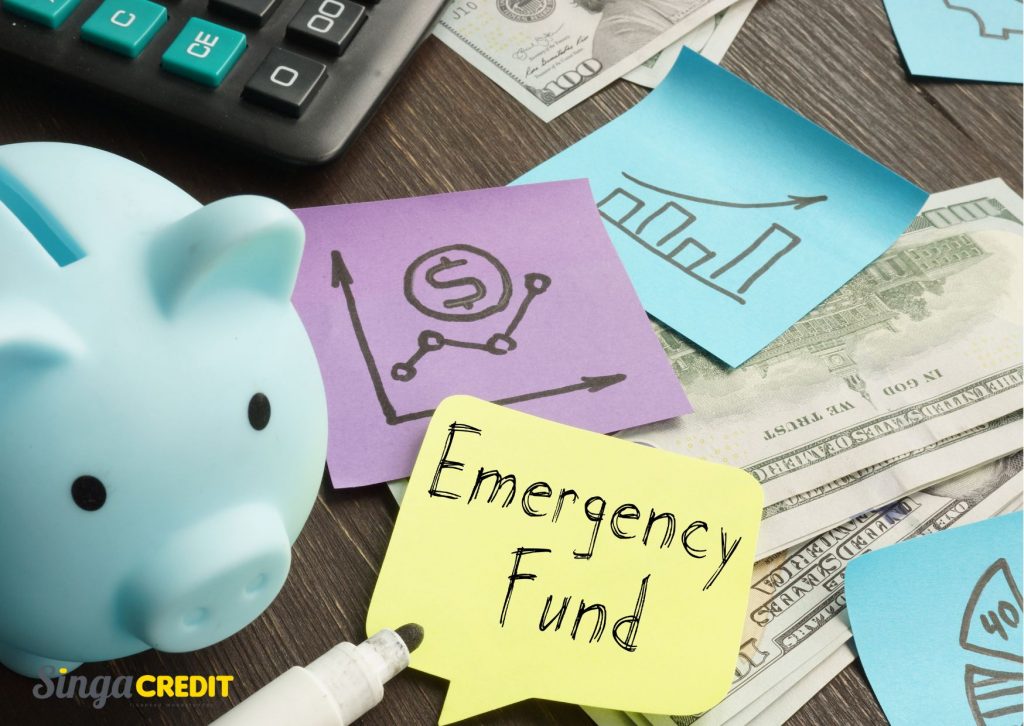
In the bustling and often high-cost environment of Singapore, life can throw unexpected financial curveballs our way. From sudden medical expenses and urgent home repairs to job loss or unforeseen family needs, these events can significantly impact our financial stability. This is where the crucial concept of an emergency funds comes into play, acting as a vital safety net to protect your financial well-being.
Why is an Emergency Fund Essential in Singapore?
Singapore’s economic landscape, while generally stable, is not immune to fluctuations. Job market shifts, global economic uncertainties, and the ever-present risk of personal emergencies make having a readily accessible pool of funds essential. An emergency funds provides a buffer, allowing you to navigate these temporary storms without resorting to high-interest loans or accumulating debt.
How Much Should You Save? The Singapore Guideline
A common question among Singaporeans is, “How much should I have in my emergency funds?” While there’s no one-size-fits-all answer, a general guideline to aim for is saving three to six months’ worth of your essential living expenses.
To calculate this, carefully track your monthly outgoings, including:
- Rent or mortgage payments
- Utilities (electricity, water, gas)
- Groceries
- Transportation costs
- Healthcare expenses
- Minimum debt repayments
Once you have a clear understanding of your essential monthly expenses, multiply that figure by three to six to determine your emergency fund goal. For instance, if your essential monthly expenses amount to $3,000, your target emergency fund should be between $9,000 and $18,000.
Building Your Emergency Fund: Practical Steps for Singaporeans
Building a substantial emergency fund takes time and discipline. Here are some practical steps to get started:
- Track Your Expenses: Understand where your money is going. Utilize budgeting apps or spreadsheets popular in Singapore to monitor your spending habits and identify areas where you can cut back.
- Set a Savings Goal: Define a specific target amount for your emergency fund based on the 3-6 months guideline. Having a clear goal will provide motivation and help you track your progress.
- Automate Savings: Make saving a seamless process by setting up regular automatic transfers from your salary account to a dedicated emergency fund account. Even a small, fixed amount transferred each payday will contribute to the habit of saving regularly.
- Cut Non-Essential Spending: Take a close look at your discretionary spending and identify areas where you can reduce expenses. This could involve dining out less, cutting back on entertainment, or reviewing subscriptions. Every little bit saved contributes to your fund.
- Consider Side Hustles: Explore opportunities for additional income through side hustles or freelance work in Singapore’s vibrant gig economy. Any extra earnings can significantly accelerate your progress towards your emergency fund goal.
- Allocate Windfalls: Whenever you receive any unexpected income, such as annual bonuses or tax refunds, make a conscious decision to direct a significant portion, if not all, of it towards your emergency fund.
Where to Keep Your Emergency Fund in Singapore
The ideal place to store your emergency fund is in a readily accessible and low-risk account. Consider these options popular among Singaporeans:
- High-Yield Savings Accounts: Many banks in Singapore offer savings accounts with bonus interest tiers if you meet certain criteria, such as crediting your salary or spending on their credit cards.
- Money Market Funds: These funds offer a low-risk avenue with the potential for slightly higher returns than regular savings accounts while maintaining good liquidity.
- Singapore Savings Bonds (SSBs): SSBs offer redemption flexibility (though early withdrawal might mean lower interest) and are guaranteed by the Singapore Government.
The Role of Singa Credit
While building a robust emergency fund is the cornerstone of financial security, we at Singa Credit understand that unexpected expenses can sometimes exceed your immediate savings. In such situations, a responsible and transparent loan from a licensed moneylender can provide a temporary bridge to help you navigate the situation without jeopardizing your long-term financial health. However, it’s crucial to view loans as a supplementary tool and prioritize building your emergency fund as your primary defense against financial shocks.
Conclusion
Building an emergency fund is not just a good idea; it’s a financial essential for navigating life in Singapore. It provides security, peace of mind, and prevents you from resorting to potentially high-cost borrowing during unforeseen circumstances. Start building your emergency fund today, no matter how small the initial amount. It’s the first step towards a more secure financial future.
Licensed Moneylender Bugis– Singa Credit Pte Ltd
Established in 1992 and previously known as Yong Seng Credit,
Singa Credit Pte Ltd is Licensed Moneylender in Singapore regularly updated with the latest regulations to be in line with the requirements set out by Registry of Moneylenders.
Please feel free to call 66946166 for more info on our lowest interest rate in Singapore or walk in our office 470 North Bridge Road #02-01.